
How Arrest Warrants Work in Beaufort County
An arrest warrant is a judge's permission slip for custody. It lets an officer take a named person into custody, and nothing more. In South Carolina, that permission only comes after judicial review: the issuing judicial officer must find probable cause based on the application and the supporting facts behind it. The case then moves forward through court proceedings. In Beaufort County, a law-enforcement officer or another authorized applicant brings the information to a magistrate or judge. The judge weighs whether the legal standard is met. If it is, the judge signs the process. Which court handles the case depends on the charge, which is why the officer who serves a warrant may belong to an entirely different office than the one holding the court file.
Judicial Review Separates a Complaint From a Warrant
A complaint is not a warrant. A police report is not one either. What separates them is judicial review: a judicial officer examines the facts presented and decides whether the required basis for arrest exists. Only then does a report become an arrest order. South Carolina Code §22-5-110 adds another limit: a private party cannot go straight to a magistrate and demand an arrest warrant. Someone who reports an alleged offense instead follows the court's complaint or courtesy-summons process. The difference matters when a caller asks whether a neighbor or former partner has been "reported." A report, a case number, a summons, and an arrest warrant are separate events. Beaufort County's public sources offer no live list of applications and no way to search a complaint before it becomes a court record. For a case-specific answer, use the court or agency named in official paperwork. And never assume a warrant exists just because a complaint was made.
Arrest Warrants: What They Contain
Beaufort County publishes no sample arrest-warrant document and follows no standard public warrant-number pattern. A warrant record can carry a named person, a charge, the issuing judicial officer, a court, and a bond direction. Public case portals may show only a portion of that. Rely on the stamped case or warrant identifier from the official document itself. Do not guess at a number format.
| Case reference | Use the identifier shown on the official court or law-enforcement paper; format varies by record |
|---|---|
| Named Subject | Compare the full identity carefully; similar names are not a confirmed match |
| Charge / Offense | Read the allegation as recorded; it is not a conviction |
| Issuing Judge / Court | Identifies the judicial officer and court responsible for the process |
| Bond / Bail Set | Case-specific; confirm amount and conditions with the Detention Center or court |
| Date Issued | Check against later service, recall, or court activity before relying on it |
BCSO Civil Process and City Officers May Serve
The Beaufort County Sheriff's Office Civil Process Unit serves court-issued arrest warrants referred to it. Not every warrant in the county runs through BCSO, though. A municipal police department or another law-enforcement agency may serve process inside its own jurisdiction or coordinate with the issuing court. So separate the two offices when you ask questions. The court controls the record, the appearance, and the case disposition; the agency that made the arrest can explain booking and custody steps. If someone is in custody, the Beaufort County Detention Center sits at 100 Ribaut Road. Its public number for booking and bond information is 843-255-5200. The county court directory identifies state court offices. Federal process runs through a separate U.S. District Court route. Neither directory will tell you whether an individual warrant is active.
South Carolina Judicial Branch Beaufort courthouse directory Federal courthouse location serving the Beaufort jury area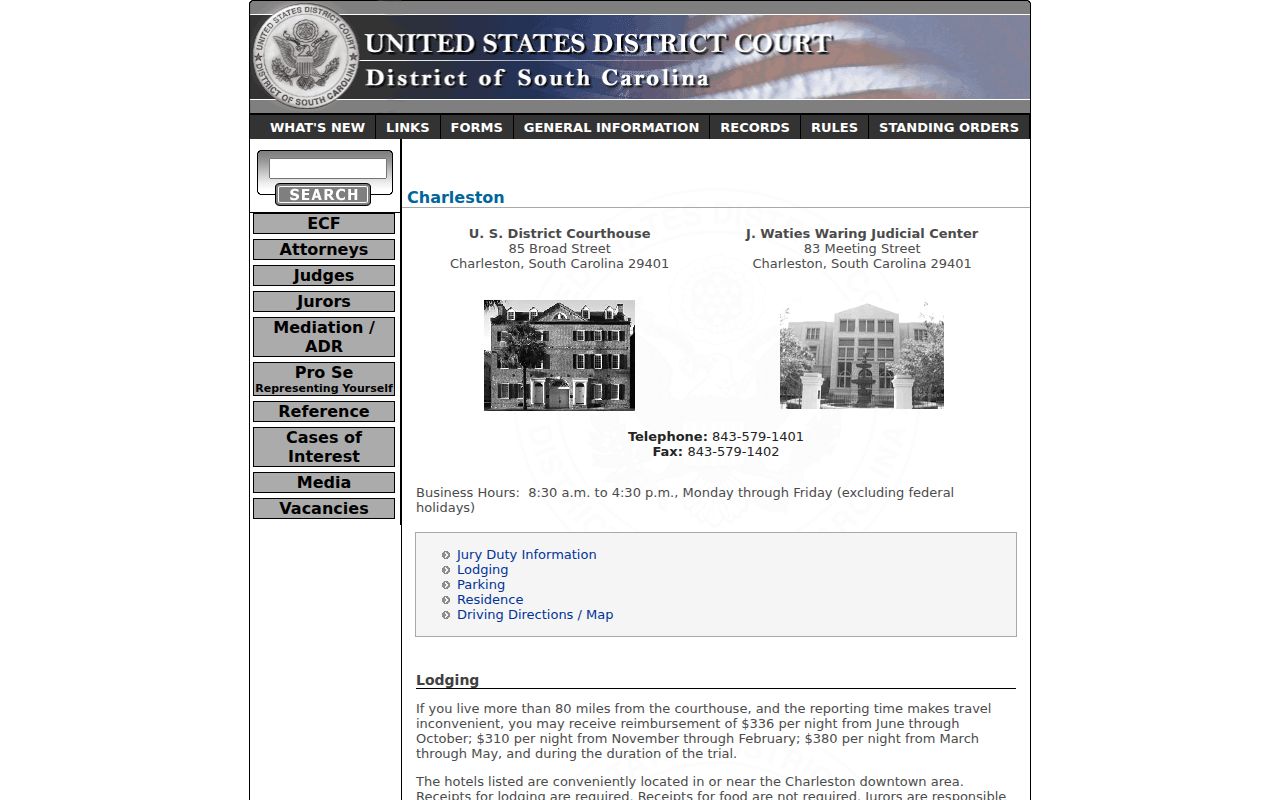
Use the directory to locate a court, then contact it for the case record.
How Warrants Get Served in Beaufort County
Serving a warrant means executing the court's order. BCSO Civil Process handles court-issued arrest warrants assigned to it, while city police and other agencies may also serve warrants. Service often happens when an officer encounters the named person, and the responsible agency can explain custody and transfer details. Booking and an initial court appearance come next. Beaufort County reports first appearances normally occur within 24 hours, subject to the circumstances and applicable law. Bond hearings are held twice daily at the Detention Center. The front desk can give current hearing times and bond amounts. A family member should call for the current situation rather than assume the schedule or the figure.
Booking Does Not Resolve the Underlying Case
Once a person is booked, custody questions belong to the Detention Center. Everything else does not. Case dates, bond conditions, and any request to change or recall the warrant stay with the issuing court. These offices answer connected but separate questions: where someone is held, whether bond is set, and what the judge expects next. The Detention Center takes bond payments at its facility and runs bond hearings twice daily. If you are posting bond or a fine tied to a bench warrant for someone in custody, the county says the money may need to go into the inmate account. Confirm the exact payment instructions and accepted method with the facility first. One more caution: paying a traffic ticket does not clear an arrest warrant from another case. Keep your receipts, and ask the clerk how the case record will show release or any continued court obligations.
Arrest Warrants, Summonses, and Bench Warrants
Three documents, three different jobs. An arrest warrant authorizes custody on probable-cause grounds. A summons directs a person to respond or appear, without any arrest order attached. A bench warrant grows out of an existing case and usually follows a missed date or another unmet court requirement. South Carolina magistrate law allows courtesy summons procedures in some complaint matters, with the judge retaining authority over process. For the missed-date route in detail, see Beaufort County bench warrants.
| Feature | Arrest Warrant | Summons | Bench Warrant |
|---|---|---|---|
| What It Orders | Officer to arrest the named person | Person to respond or appear | Arrest connected to missed court duty |
| Basis | Probable cause of an alleged offense | Court process under the applicable procedure | Failure to appear or comply in an existing case |
| Who Issues It | Judge or magistrate | Authorized court or officer process | Judge in the underlying case |
| How to Respond | Confirm with counsel, court, and custody office | Follow the stated date and instructions | Contact issuing court about appearance or recall |
City Cases Have Their Own Court Route
Beaufort County has no single municipal court for its five featured cities. Beaufort, Bluffton, Port Royal, and Hardeeville each run their own municipal court. Hilton Head Island closed its separate court in 2018–2019, and later matters route through county courts instead. Read the citation or summons closely. It should name the court handling the case.
A city citation often carries its own appearance date and payment terms. Miss those steps, and the city judge can issue further process in the case. That is why blanket calls to BCSO or the Circuit Clerk often go nowhere fast. Start with the court printed on the citation, then ask whether the matter has ripened into a warrant. One more wrinkle: Hardeeville sits near the Beaufort-Jasper county line. Confirm which county's court and Sheriff's Office answer for the case before you lean on any Beaufort County warrant search alone.
Public Files May Not Include Every Affidavit
South Carolina FOIA opens the door to records a public body already keeps. It still allows exemptions, redactions, and reasonable fees. What it does not do is force a court or law-enforcement office to build a new warrant list from scratch. So a Beaufort County records request and a live warrant confirmation are two different asks. An affidavit, investigative detail, sealed process, or juvenile matter may carry limits that an ordinary docket entry does not.
Give the clerk a case number or a date. Ask for what the office actually maintains. For current warrant status, go straight to BCSO or the issuing court, since an agency may need to review a record before it releases anything.
Beaufort County Clerk of Court records and Public Index directory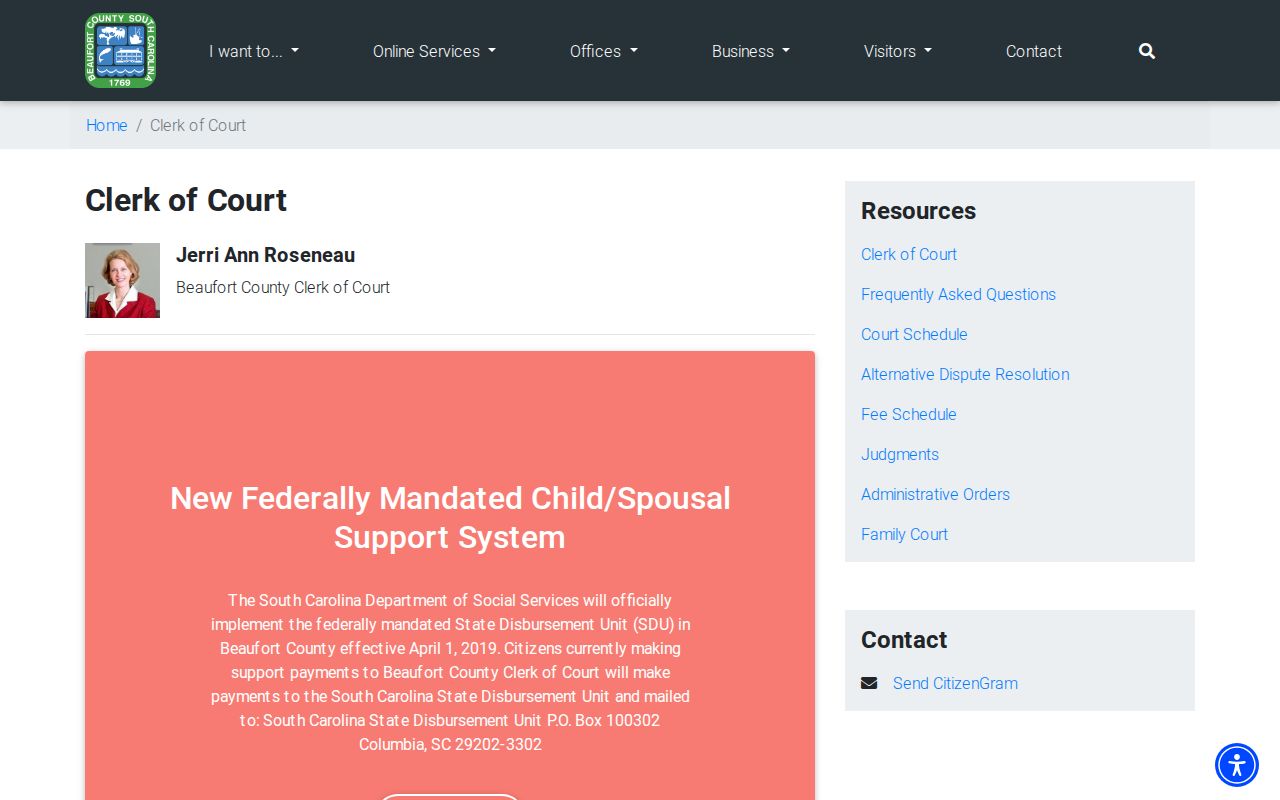
The Clerk's directory helps you locate Beaufort County court records, but it is not a real-time warrant status result.
Handling an Arrest Warrant in Your Name
A warrant in your own name needs confirming first. Call the Warrants Clerk and pin down the issuing court. Ask about the charge, case number, bond, and any appearance the court requires. A lawyer can advise on a voluntary surrender, bond terms, or a motion to recall or quash the warrant. There is no one universal walk-in surrender desk for Beaufort County in the public sources, so get case-specific instructions before you travel.
If the person is already in custody, the Detention Center can explain booking details and the current bond. Then contact the court about the next date. A portal entry or an old printed copy may lag behind recent service or court action, so treat it as a starting point rather than the last word.
Important: Contact counsel and the issuing court before making plans; an active arrest warrant may be served during another law-enforcement encounter.